
How Much Deposit Do You Really Need to Buy in Randwick in 2026?
Updated: Aug 12
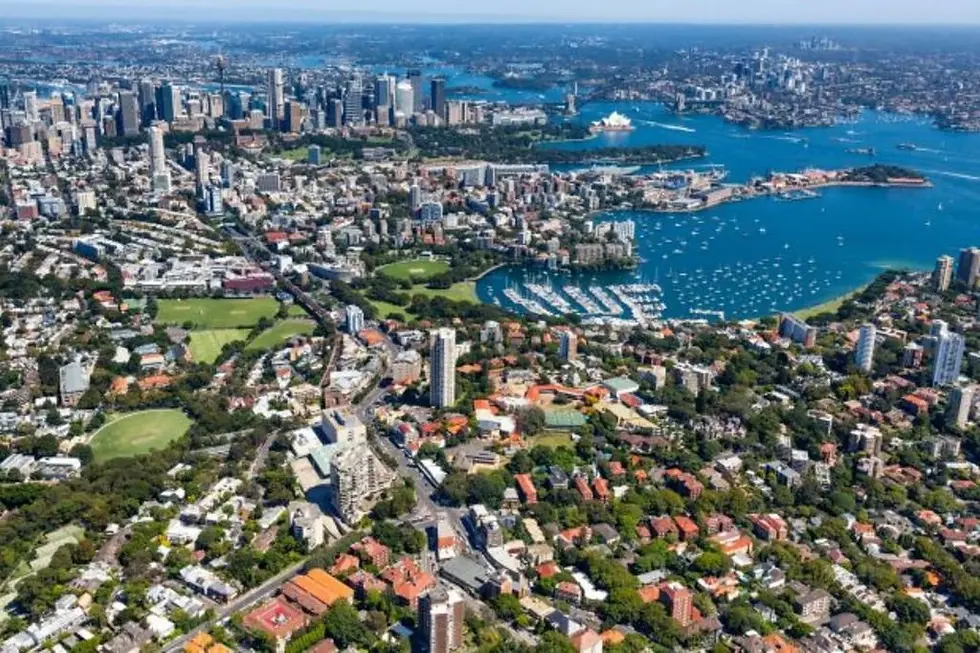
Randwick sits close to the beach, the hospital precinct, and UNSW, which makes it one of the more consistently popular pockets of Sydney's Eastern Suburbs for both first home buyers and investors. One of the first things a first home buyer asks is, "How much do I actually need to save", and the honest answer is more encouraging than most people expect.
The 20% Benchmark, and Why It Isn't the Whole Story
Most people have absorbed the idea that a 20% deposit is the standard you need to hit before buying. It's a reasonable benchmark, since it lets you avoid Lenders Mortgage Insurance (LMI) and generally puts you in a competitive pricing tier with a lender. But treating 20% as a hard requirement stops a lot of genuinely ready buyers from acting, when in reality there are several legitimate pathways into the market with a smaller deposit.
Cotality's latest figures put the median unit price in Randwick at $1,282,500, and the median house price at $3,950,000 (as of August 2026). That puts a 20% deposit at roughly $256,500 for a typical unit and $790,000 for a typical house, or as little as $64,125 (unit) and $197,500 (house) under the First Home Guarantee's 5% deposit option.
Randwick's Property Mix, and Why It Changes Your Deposit Strategy
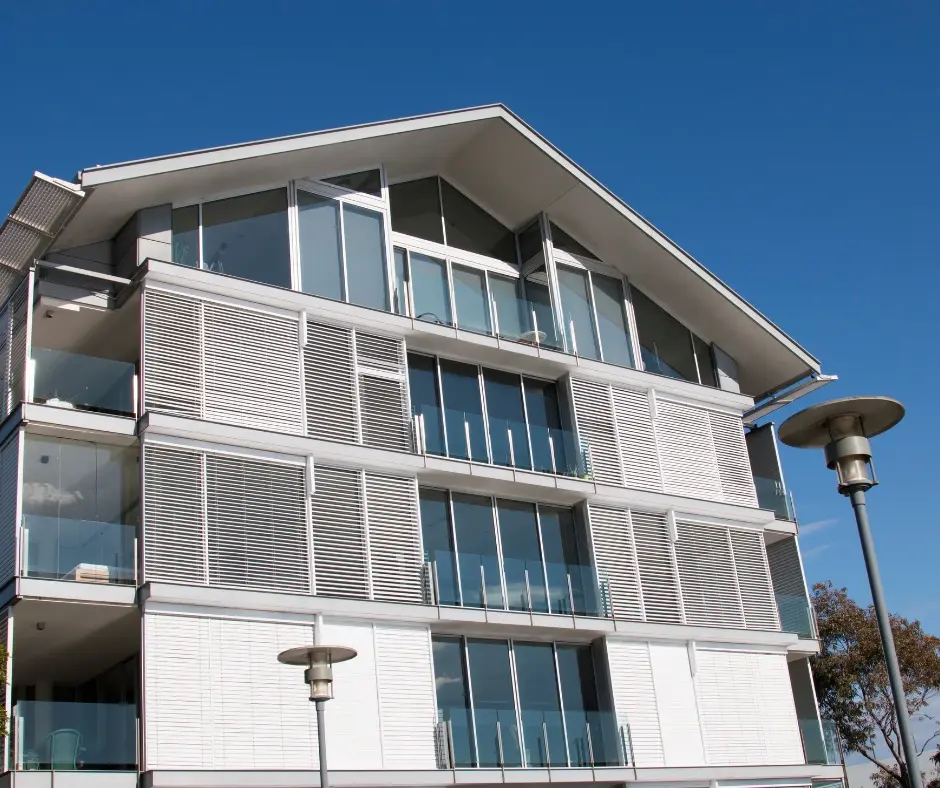
Randwick's housing stock is a genuine mix of established houses, character semis, and a large proportion of apartments and units, partly driven by demand from hospital staff, UNSW students and staff, and young professionals wanting easy CBD access. This matters for your deposit strategy, because lenders assess apartment security differently to houses. Older, smaller apartments (particularly under 50sqm) can attract more conservative lending policies from some banks, while larger, well-located units are treated closer to a standard residential purchase. Understanding which category your target property falls into before you start saving toward a specific number helps you set a realistic target, rather than assuming every property in the suburb is assessed the same way.
What a Realistic Deposit Looks Like in 2026
For an apartment or unit in Randwick, which is where most first home buyers in this suburb start, a 10-15% deposit combined with either Lenders Mortgage Insurance or a family guarantee is a common and workable path. For a house, the numbers scale up, but the same principle applies: waiting to save the full 20% is not always the most financially sound choice, particularly if property values in the area continue to move upward while you save.
This is where a genuine, personalised borrowing power assessment matters more than a rule of thumb. Every buyer's income, expenses, and existing debts are different, and comparing your position across our panel of 30+ lenders often reveals more flexibility than a single bank would offer on its own. This is also exactly why comparing a broker against going direct to a bank matters more for a suburb like Randwick than it might elsewhere, given how differently lenders treat the local apartment stock.
Ways to Reduce the Deposit You Actually Need
A few genuine options worth understanding before you assume you need to wait:
The First Home Guarantee allows eligible first home buyers to purchase with as little as a 5% deposit, with the government acting as guarantor so LMI is not required.
A family guarantee uses equity in a parent's property as additional security, which can reduce or remove the need for a larger cash deposit altogether. Our Bank of Mum and Dad guide covers exactly how this works and what it means for the parents providing the guarantee.
NSW stamp duty exemptions and concessions for eligible first home buyers free up cash that would otherwise go toward the purchase costs, which indirectly makes your deposit stretch further. See our dedicated breakdown of what first home buyers actually pay in stamp duty for the current thresholds.
The First Home Owner Grant provides a cash contribution for buyers purchasing or building a new home, though this does not apply to established properties in Randwick, which make up most of the local market.
Pooling resources with a friend, sibling, or partner can also close a deposit gap faster than saving alone. Our guide to co-buying covers what to think through before going down this path.
Each of these has its own eligibility criteria, so it is worth checking your specific situation against the current rules rather than assuming you do or do not qualify. A full breakdown of everything currently available is covered in our First Home Buyer's Guide to Available Government Support.
What Lenders Actually Want to See in Your Deposit

Beyond the amount, lenders care about where your deposit came from. Most want to see genuine savings, meaning money accumulated over a period of time, typically at least three months, rather than a lump sum that appears in your account shortly before you apply. If part of your deposit is a gift from family, lenders will generally require a signed statutory declaration confirming it is a non-refundable gift. This is also where working with a broker helps, since factors like credit card limits and existing debts can quietly reduce how much a lender is willing to offer, even when your deposit itself looks strong on paper.
Should You Rent Somewhere Else and Buy in Randwick Anyway?
Some buyers priced out of living in Randwick itself, or unwilling to compromise on lifestyle just yet, consider rentvesting instead, buying an investment property in Randwick while continuing to rent elsewhere. This is a genuinely different deposit conversation to buying as an owner-occupier, since it changes which government schemes apply and how the lender assesses the purchase. There is also a lesser-known middle path worth understanding: NSW's 12-month rule can, in some cases, let you keep a stamp duty exemption even if your long-term plan is to eventually rent the property out, provided you live in it first for a continuous 12-month period.
How Randwick Compares to Neighbouring Suburbs
If Randwick's price point stretches beyond your comfort zone, it's worth casting a slightly wider net. Neighbouring suburbs like Kingsford and Kensington, both close to UNSW and with similar transport access, can sometimes offer a lower entry point for a similar lifestyle. Coogee, just down the road, tends to command a premium given its beachfront position, while Maroubra offers a comparable coastal feel at a different price tier. None of these are guaranteed to be cheaper across the board, since pricing shifts suburb by suburb and property by property, but widening your search radius by a few kilometres is a genuinely useful lever if Randwick itself is proving out of reach on your current numbers.
This is exactly the kind of comparison worth running properly rather than guessing at, since your actual borrowing power might stretch further in one pocket of the Eastern Suburbs than another, even if the suburbs feel broadly similar from the outside.
Working Out Your Own Number
Rather than working backward from a fixed percentage, it is usually more useful to start with your borrowing capacity and work forward. Understanding how lenders calculate what you can borrow gives you a realistic budget for Randwick, which then tells you what deposit size actually makes sense for your situation, rather than chasing an arbitrary 20% figure that may not be necessary. Once you have that figure, it's also worth understanding how your loan is structured, since fixed vs variable and offset account decisions can affect how quickly you build equity once you're in.
If you are weighing up whether to keep saving or start looking now, that is exactly the kind of conversation worth having with a mortgage broker in Sydney's Eastern Suburbs before you commit to a savings timeline that may be longer than it needs to be. You can also get a starting estimate using our borrowing power and deposit calculators, or book a free consultation to run your specific numbers.
Frequently Asked Questions
Do I need a 20% deposit to buy in Randwick?
No. While 20% avoids Lenders Mortgage Insurance and often secures more competitive pricing, options such as the First Home Guarantee (5% deposit) and family guarantees allow eligible buyers to purchase with significantly less.
Can I use a gift from my parents as my deposit?
Yes, provided it is genuinely non-refundable. Lenders typically require a signed statutory declaration confirming the funds are a gift, not a loan that needs to be repaid.
Does the First Home Owner Grant apply to established homes in Randwick?
No. The grant is generally reserved for new homes, off-the-plan purchases, or land and build packages, and does not apply to established properties, which make up the majority of Randwick's housing stock.
How long do I need to have been saving before I apply?
Most lenders want to see at least three months of consistent genuine savings history, though this can vary by lender.
Does buying an apartment in Randwick require a bigger deposit than a house?
Not necessarily bigger, but the lender's assessment can differ. Smaller or older apartments sometimes attract more conservative lending policies from certain banks, which is where comparing across a panel of lenders matters.
This article is general in nature and does not constitute personal financial or credit advice. Deposit requirements, lender policies, and government scheme eligibility are subject to lender criteria and approval, and may change. Speak with a broker about your specific circumstances before making a decision.



Comments